Peptide Shelf Life: How Long BPC-157 Stays Stable
How long BPC-157 lasts before and after reconstitution. Storage temperatures, degradation signs and what published studies report about peptide stability.
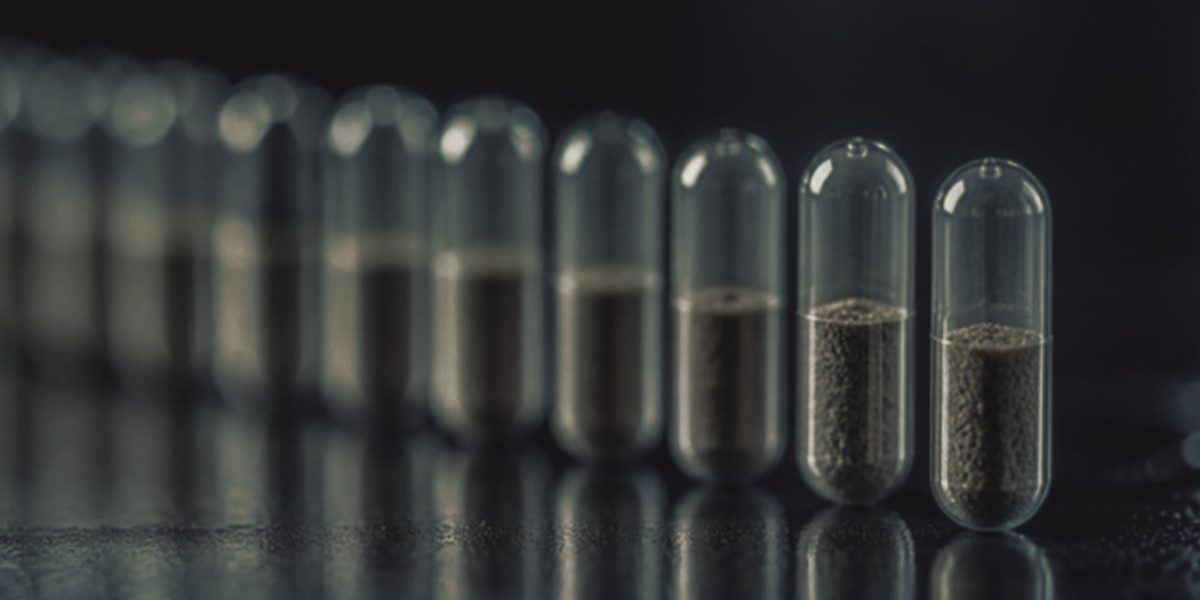
A container of BPC-157 kept on a shelf is not stuck in time. The peptide deteriorates. With respect to the powder's degradation rate, it depends on temperature, humidity, whether or not it's reconstituted, and how it's stored. Knowing how stable your peptide is is crucial for achieving the same results when applying the peptide in several sessions over a long time. Below is what we learn from available studies and available fieldwork.
Lyophilized vs Reconstituted Shelf Life
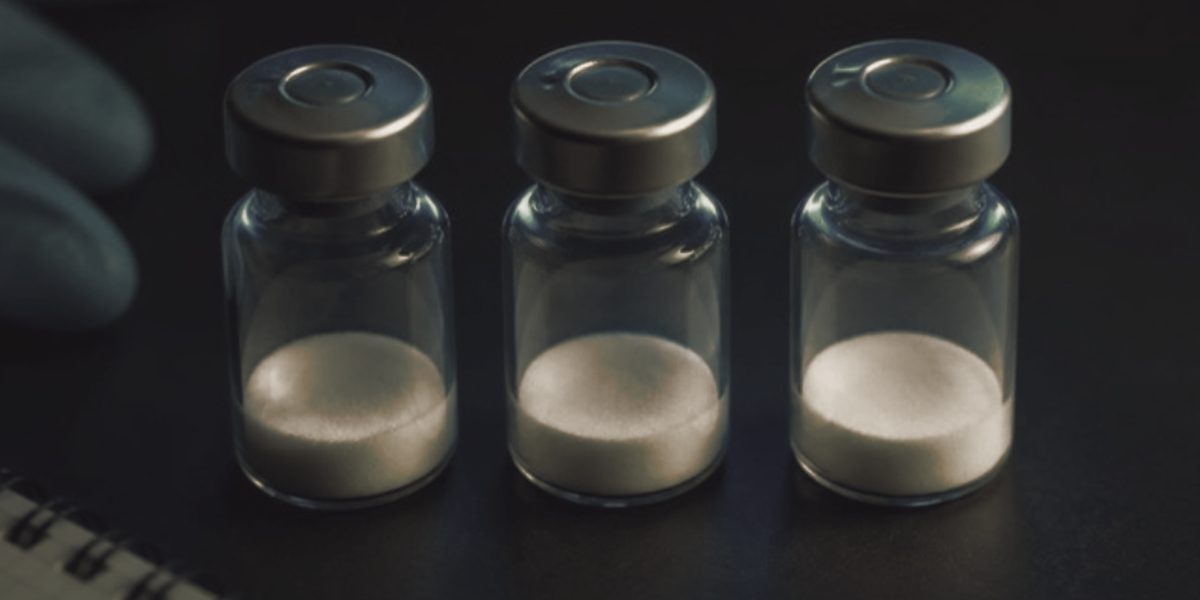
Lyophilization, or freeze-drying, extracts water from a peptide solution to obtain a dry cake or powder. The process helps prevent any chemical reactions that depend on water from occurring, so helping to preserve the peptides. A 2023 review in Pharmaceutics stated that studies are indicative of the superiority of lyophilized state of peptides over their aqueous state and mentioned the need to store lyophilized peptide products at around -20 degrees Celsius or below.
Adding bacteriostatic water or sterile water kicks off the clock ticking. The element of water reinstates the stage for hydrolysis, deamidation, and oxidation processes to occur. The peptide is now in a more pressing timeline.
| State | Recommended Storage | Estimated Duration |
|---|---|---|
| Lyophilized (powder) | -20 C or below, sealed with desiccant | 2+ years |
| Lyophilized (powder) | 2-8 C (refrigerator) | 6-12 months |
| Lyophilized (powder) | Room temperature (20-25 C) | Weeks to a few months |
| Reconstituted (bacteriostatic water) | 2-8 C (refrigerator) | Up to 28-30 days |
| Reconstituted (sterile water) | 2-8 C (refrigerator) | 24-48 hours |
| Reconstituted | Room temperature | Hours (not recommended) |
| Reconstituted (aliquoted) | -20 C, single-use portions | Several months |
What Degrades a Peptide Faster
Peptides are degraded via a number of chemical processes. Knowing how peptide degradation occurs sheds light on the importance of proper handling and storage.
- Deamidation
- Asparagine (Asn) residues lose their amide group, converting to aspartate. This is one of the most common degradation routes for peptides and accelerates at neutral to alkaline pH.
- Oxidation
- Methionine, cysteine, tryptophan and histidine residues are vulnerable to oxidative damage. Exposure to light, dissolved oxygen, and metal ions speeds this process.
- Hydrolysis
- Water molecules break peptide bonds, particularly at Asp-Pro sequences. This is the primary reason reconstituted peptides degrade faster than dry powder.
- Aggregation
- Partially degraded peptides can stick together, forming aggregates that reduce potency and may increase immunogenicity risk. The FDA flagged aggregation as a concern for injectable BPC-157 formulations.
- Racemization
- L-amino acids convert to D-amino acids over time, which alters the peptide's biological activity.
Temperature
According to a 2017 review in the AAPS Journal, the physical stability of peptide therapeutic agents can be affected by several factors, with temperature being among the most significant. The closed vial must be kept in a freezer at a temperature of -20 degrees Celsius. If you want to use multiple vials at once, keep whatever is remaining in the freezer until you want to prepare one vial. Moving something from the freezer to the refrigerator is not a problem. The only thing that damages proteins is repeated warming and cooling. When something goes from cooler to warmer, condensation forms and this condensation damages the dry protein. People living in hot summer conditions (above 40 degrees Celsius) may consider choosing rapid shipping or planning their orders for cooler months of the year.
If the supplier sent the vial at normal temperatures (which is typical for shipping lyophilized peptides), such brief exposure will not produce significant degradation. Peptide suppliers typically send out lyophilized vials without cold packs, as the dry powder is stable for up to 3-5 days at ambient temperature. As soon as your order arrives, place the vial in the freezer or refrigerator without delay. Do not keep it in a post office box or outside under the sun for hours.
Light Exposure
Exposure to light accelerates oxidative damage in peptides, particularly affecting methionine, cysteine, tryptophan, and histidine residues. Dissolved oxygen and metal ions further speed this process. Store vials in their original packaging or in an opaque container to minimize light exposure. Amber glass vials offer better protection than clear glass, and keeping peptides in a dark freezer or refrigerator is always preferable to countertop storage.
Contamination
When using a reconstituted vial for several days, bacteriostatic water is preferred over sterile water. The compound benzyl alcohol in the bacteriostatic water prevents the growth of bacteria. The use of bacteriostatic water increases the shelf life of medicine for up to 28-30 days if stored in a fridge at temperatures between 2 and 8 degrees Celsius.
If you've got sterile water handy (no preservatives), then you can either use the entire vial in the next 24 to 48 hours or divide it into single-use portions to be frozen immediately. Each time a needle penetrates through the lid, air, and possibly bacteria enters the vial. Since no bacteriostatic agent is added, the risk of contamination increases with each puncture. In case of reconstituting a 10 mg vial and using it over several weeks, the best approach would involve drawing the solution into separate syringes or sterile microtubes right after reconstitution. Ensure that the syringes or tubes are capped, marked, and stored at -20 degrees Celsius until the time of use. One portion should be thawed at a time. This avoids the problems associated with repeated freezing and thawing, as all the aliquots will go through only one freeze-thaw cycle.
Signs of a Degraded Vial
The process of visual assessment has its limitations. The lyophilized peptide is expected to have a white or almost white appearance. In the case when the powder turns yellow or brown, it may be a sign of deterioration. The reconstituted solution should have a clear and transparent appearance. The presence of cloudiness, materials suspended in solution, or layer of film on the surface of the liquid shows that aggregation or pollution has occurred. In all the situations above, discarding the vial and the contents is mandatory.
It is more challenging to detect a drop in degradation that occurs below the visual threshold. To verify that the content of the peptide has decreased, an HPLC test must be performed. However, this is not practical for private consumers, so proper storage from the very beginning remains the best approach.
Published Stability Data
A 2023 review in Pharmaceutics examined the stability profiles of lyophilized peptide formulations and stated that studies are indicative of the superiority of lyophilized state of peptides over their aqueous state. The review mentioned the need to store lyophilized peptide products at around -20 degrees Celsius or below to maintain integrity over time. Meanwhile, the 2017 AAPS Journal review detailed how physical stability of peptide therapeutics can be affected by temperature and pH changes, ionic strength, and metal ion presence. These published findings support the storage recommendations outlined in the table above and underscore that lyophilized peptides maintained at -20 C or below retain their potency for two or more years, while reconstituted solutions should be used within days to weeks depending on the diluent used.
FAQ - BPC-157 Shelf Life
Does BPC-157 expire?
BPC-157 that has gone through lyophilization can be stored at -20 degrees Celsius in a sealed container with a desiccant and can remain stable for two years or more. The length of the shelf life depends on the quality of the process of lyophilization, how pure the product is, and whether the closure remains intact. Most of the suppliers recommend that the product is used within 24 months from the date of manufacture. All peptides degrade over time, so while lyophilized BPC-157 can last years in proper conditions, it does not last indefinitely.
Can I freeze reconstituted BPC-157?
Correct, however, it is necessary to first prepare aliquots for individual use before freezing the peptide. Repeatedly freezing and thawing affect the peptide, causing the aggregation of molecules and forming ice crystals which may lead them to become disrupted. Freeze and thaw each aliquot one time and then use it straight away.
How do I know if my vial has gone bad?
Lyophilized powder should appear white or off-white. If the powder has turned yellow or brown, it may be degraded. After reconstitution, the solution should be clear and colorless. Cloudiness, floating particles, or a film on the surface indicates aggregation or contamination. When comparing the two types of water, one finds that bacteriostatic water has 0.9% benzyl alcohol, which stops bacterial growth and helps fresh solutions last for 28-30 days in the refrigerator. Sterile water does not have any preservatives and can only be used up to 24-48 hours. If anything looks off, discard the vial.
Keep reading
HPLC vs Mass Spectrometry: How Peptide Purity Is Measured
How peptide vendors test BPC-157 purity using HPLC and LC-MS. What each method measures, what 99% purity means and how to read a lab report.
BPC-157 Import Rules in 2026: What Buyers Should Know
Current import rules for BPC-157 in major markets. What customs declarations look like, which countries restrict peptide imports and what to check first.
Why Some Credit Cards Decline Peptide Orders
Why banks sometimes decline peptide purchases and what you can do. Merchant category codes, fraud alerts and alternative payment methods explained.
Compare the current picks
Prices, sizes and ratings side by side, updated when the merchant pages change.
Shop BPC-157