BPC-157 Import Rules in 2026: What Buyers Should Know
Current import rules for BPC-157 in major markets. What customs declarations look like, which countries restrict peptide imports and what to check first.
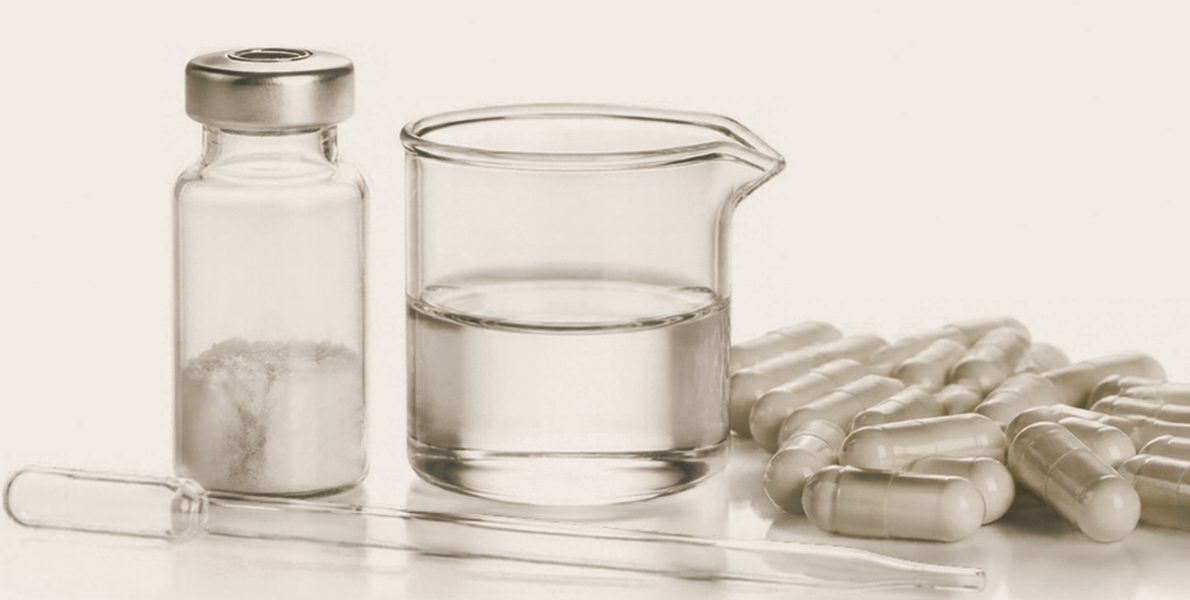
Purchasing BPC-157 from the internet is one task, whereas importing it is a different issue. Regulatory regimes changed across different regions between 2024 and 2026 and buyers from the USA, Canada, Australia, and Europe are subject to different regulations depending on the product's format, declared purpose, and local classification of peptide substances. The present article provides the essential information you need to have before you place your order internationally.
The Regulatory Landscape in 2026
The legal treatment of BPC-157 varies significantly from one jurisdiction to another. No country has approved BPC-157 as a medicine, but the mechanisms used to regulate its sale, possession, and importation differ in important ways. Below is a breakdown of the four major regions buyers typically order from or ship to.
United States
BPC-157 is a substance that has not been approved by the FDA as a medicine. Also, it is not listed among the controlled substances according to the DEA schedules. It is also not regarded as a dietary supplement. This means that it can be sold as a research chemical, which does not require a prescription, but no federal organization has evaluated its safety and effectiveness.
The recent most notable advancement is the decision by the FDA to remove BPC-157 from the list of bulk substances that compounding pharmacies can use under the Section 503A of the FD&C Act. The agency provided reasons such as lack of data on safety, possible immunogenicity due to self-injection, and difficulty in the characterization of impurities associated with the compound. The Pharmacy Compounding Advisory Committee stated their arguments against the inclusion of BPC-157 free base and BPC-157 acetate into the 503A bulks list during their meeting in July 2026.
This affects compounding pharmacies specifically. Research chemical companies that sell lyophilized peptides labeled "for research use only" operate outside the compounding framework and are not directly affected by this decision. The FDA has, however, issued warning letters to companies that marketed BPC-157 with therapeutic claims. A March 2026 warning letter to Gram Peptides cited selling unapproved peptide products with health claims as the primary violation.
Currently, there are no guidelines regarding importation of research peptides in the USA, except that it is allowed for personal use, but no commercial use whatsoever. FDA may stop importation of such substances at the border if it has been labeled or advertised as a drug. Historically products that have been depicted as "for research purpose only" have gone through the border without any problems, but this is not guaranteed.
Canada
Health Canada classifies peptides as drugs when they are sold with health claims. BPC-157 does not have a Drug Identification Number (DIN) and is not authorized for sale in Canada as a therapeutic product. Importing unapproved health products for personal use is technically possible in limited quantities, but Health Canada reserves the right to refuse entry. The product must not be represented as a treatment for a serious condition, and the quantity must be consistent with personal use (typically a 90-day supply or less).
The regulatory actions taken by customs in Canada with regards to peptide products have been less publicly known than analogous actions taken by Australian or US authorities. Nevertheless, shipments could still be blocked or sent back at the discretion of the Canadian border security.
Australia
Under the Therapeutic Goods Act 1989, Australia governs the use of peptides as medications. BPC-157 is not included on the Australian Register of Therapeutic Goods (ARTG). The TGA has issued explicit warnings below shares information regarding the dangers of importing unverified peptide products.
While individuals are permitted to import drugs for their personal consumption under the Personal Importation Scheme, certain criteria must be met. The product has to contain detailed information concerning its active substance, the amount present as well as the dosage form. Consignments labelled by some code or abbreviation might be rejected by the customs authorities. If the peptide belongs to Schedule 4 of the Poisons Standard, the existence of an Australian prescription is mandatory. Any products which are poorly labelled may be excluded from the Personal Importation Scheme.
- ARTG registration required for commercial sale
- Yes
- Personal importation allowed with prescription
- Yes, for Schedule 4 substances
- Clear labeling required
- Yes, must state active ingredient, strength, dosage
- Products labeled with codes only
- Will be refused
- Maximum personal supply
- Generally 3 months
- TGA enforcement trend
- Increasing, with infringement notices issued in 2025-2026
European Union
The European Union does not have a standard policy regarding the import of peptide products. To date, the European Medicines Agency has not published any official guidelines on BPC-157. Only the country's pharmaceutical regulations apply on the level of individual member states. Generally, in most countries within the EU, the legality of personal import of unapproved substances is ambiguous.
For competitive athletes in any jurisdiction, it's important to note that BPC-157 is classified by WADA as banned under S0 (non-approved substances). The 2025 WADA Prohibited List includes all drugs that have not been approved by any national health authority for use in humans.
What Happens at Customs
Customs agencies in every country have the authority to inspect, hold, or seize packages that contain peptide products. What happens at the border depends on the labeling of the product, the declared contents on the customs form, and the enforcement priorities of the receiving country's health authority. The table below summarizes how each major jurisdiction handles personal peptide imports at the point of entry.
| Country | Classification | Personal Import Allowed? | Prescription Needed? | Key Restriction |
|---|---|---|---|---|
| United States | Unapproved drug / research chemical | Generally yes | No (research use label) | FDA may seize products with health claims |
| Australia | Unapproved therapeutic good | Conditional | Yes, if Schedule 4 | Must be clearly labeled; codes-only products refused |
| Canada | Unauthorized health product | Limited quantities | Not always required | Must not be marketed for serious conditions |
| EU (varies) | Unapproved medicinal product | Varies by member state | Often yes | No harmonized rule; check national authority |
| UK | Unlicensed medicine | Small quantities for personal use | Depends on product | MHRA enforcement discretion applies |
If your package is held, customs will typically send a notice requesting documentation such as a prescription, certificate of analysis, or proof of the product's intended use. Response windows vary but are generally 20 to 30 days. Failure to respond usually results in the goods being destroyed. In Australia, the TGA imposed infringement notices on individuals in 2025 and 2026 for importing peptides that did not meet labeling requirements under the Personal Importation Scheme.
Practical Steps Before You Order Internationally
FAQ - BPC-157 Import
Can I import BPC-157 for personal research?
In most jurisdictions, importing BPC-157 labeled "for research use only" in small quantities is not explicitly prohibited, but it is not explicitly authorized either. In the United States, there is no blanket ban on importing research peptides, though the FDA reserves the right to seize products at the border if they carry therapeutic claims. In Australia, personal importation is conditional on proper labeling and may require a prescription if the substance falls under Schedule 4. In Canada, limited quantities for personal use may be permitted, but Health Canada can refuse entry at its discretion. There is no universal rule that guarantees safe passage through customs in any country.
What if customs holds my package?
If customs holds your peptide shipment, you will typically receive a written notice requesting supporting documentation. This may include a prescription, a certificate of analysis from the vendor, proof of the product's intended use, or a letter from a medical professional. Response windows are generally 20 to 30 days depending on the country. If you do not respond or cannot provide the requested documents, the goods will usually be destroyed. In Australia, the TGA has gone further by issuing infringement notices to individuals who attempted to import peptides that did not meet labeling standards under the Personal Importation Scheme.
Do I need to declare peptide imports?
Yes. When filling out customs declaration forms, you should accurately describe the contents of your shipment. Misdeclaring or omitting the presence of peptide products can result in penalties beyond simple seizure. In Australia, the Personal Importation Scheme requires that goods be clearly labeled with the active ingredient, strength, and dosage form. In the United States, products labeled "for research use only" have historically passed through customs without issue, but mislabeling the contents on a customs form is a separate violation. Accurate declaration does not guarantee entry, but inaccurate declaration significantly increases the risk of enforcement action.
Keep reading

HPLC vs Mass Spectrometry: How Peptide Purity Is Measured
How peptide vendors test BPC-157 purity using HPLC and LC-MS. What each method measures, what 99% purity means and how to read a lab report.
Peptide Shelf Life: How Long BPC-157 Stays Stable
How long BPC-157 lasts before and after reconstitution. Storage temperatures, degradation signs and what published studies report about peptide stability.
Why Some Credit Cards Decline Peptide Orders
Why banks sometimes decline peptide purchases and what you can do. Merchant category codes, fraud alerts and alternative payment methods explained.
Compare the current picks
Prices, sizes and ratings side by side, updated when the merchant pages change.
Shop BPC-157